
What is Basement Waterproofing in Pakistan?
Basements are becoming more common in homes and commercial buildings in Pakistan, especially in major cities like Karachi, Lahore, and Islamabad. While they offer extra space for storage, parking, or living, basements also face one major challenge — water seepage. This is where basement waterproofing comes in.
In simple terms, basement waterproofing is the process of protecting your basement from water intrusion. It involves specialized materials and techniques that prevent ground water from entering your basement walls or floors. Companies like AllClear Waterproofing in Pakistan provide professional services to make sure your basement stays dry, safe, and usable throughout the year.
Why Basement Waterproofing Matters in Pakistan?
Pakistan’s climate, combined with varying soil conditions, makes many areas prone to water seepage. In cities with a high water table, basements can quickly collect moisture due to rising hydrostatic pressure. This constant pressure pushes water through cracks, joints, and porous concrete, leading to structural damage and unhealthy living conditions.
Without proper waterproofing, problems like mold growth, peeling paint, and weakened foundations can become costly to fix. Waterproofing a basement before these issues occur is always cheaper and easier than repairing extensive damage later.
Warning Signs of Water Damage
If you own a property with a basement, look out for these common indicators of water damage:
Damp or musty smell – A persistent odor could mean trapped moisture.
Wet spots on walls or floors – Even small damp patches should be checked immediately.
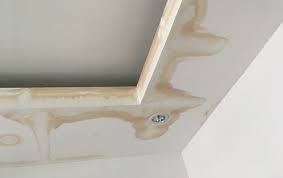
Peeling paint or bubbling plaster – Signs that water is seeping through the walls.
White powdery residue – Known as efflorescence, this is caused by minerals left behind by evaporating water.
Mold or mildew growth – Dangerous for both health and property value.
Rust on metal fittings – Moisture causes faster corrosion in basement environments.
If you notice any of these, it’s time to get a professional basement waterproofing inspection.
Causes of Water Seepage
Understanding the source of the problem helps in choosing the right waterproofing solution. The main causes of water seepage in local basements include:
High Water Table – In areas where the ground water level is close to the surface, moisture can easily enter through the basement floor.
Hydrostatic Pressure – This pressure builds up when ground water pushes against the basement walls and floor. Over time, it forces water through even tiny cracks.
Poor Drainage Systems – Without proper surface drainage, rainwater can pool around the building foundation.
Construction Defects – Gaps in wall joints, poor-quality concrete, or lack of waterproof membranes during construction.
Heavy Rainfall and Flooding – Monsoon rains and urban flooding can overwhelm weak basement defenses.
Methods of Waterproofing a Basement
Interior Basement Waterproofing
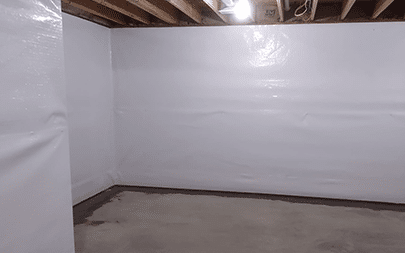
This method focuses on stopping water after it has entered your basement. It’s more about managing moisture rather than preventing it completely from the outside.
How it Works?
Special waterproof coatings, sealants, or paints are applied to the interior walls and floors.
Crack injection (epoxy or polyurethane) is used to seal visible cracks and joints.
Interior drainage channels or sump pumps are installed to collect and remove water.
Best for: Minor leaks, condensation issues, or where exterior work is too costly or impossible.
Exterior Basement Waterproofing
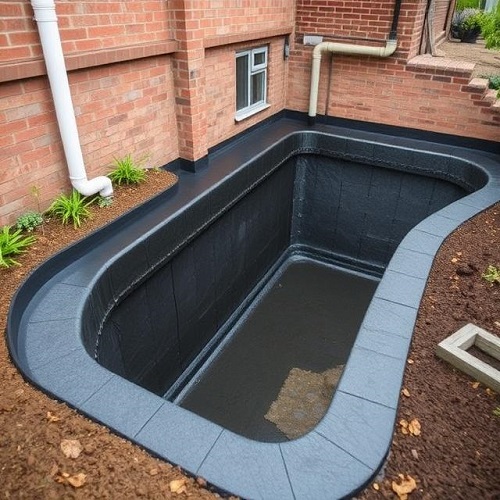
This is the most comprehensive and long-lasting method because it stops water before it reaches your basement walls.
How it Works?
Soil around the building is excavated to expose the foundation walls.
Waterproof membranes, drainage boards, or bituminous coatings are applied to the outside surface.
Drain pipes (French drains or perforated pipes) are installed to redirect ground water away from the foundation.
Protective layers are added to prevent damage from backfilled soil.
Best for: New constructions or major renovations, and in areas with high water table and heavy rainfall.
Drainage System Installation
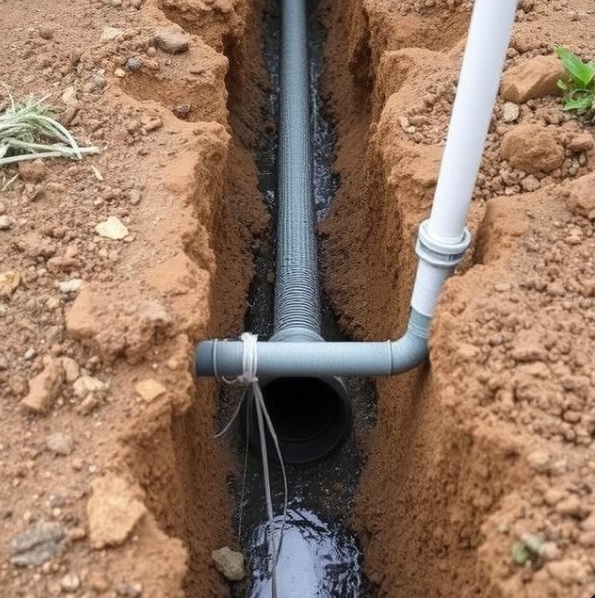
A drainage system is essential for reducing hydrostatic pressure — the force of water pressing against your basement walls.
How it Works?
Interior drainage: A trench is dug along the inside perimeter of the basement, fitted with a drain pipe, and covered with gravel and concrete.
Exterior drainage: French drains or slope grading are used outside to channel water away from the building.
Sump pumps are added to automatically pump out collected water.
Best for: Basements prone to flooding or standing water after rain.
Crack Repair and Injection Sealing
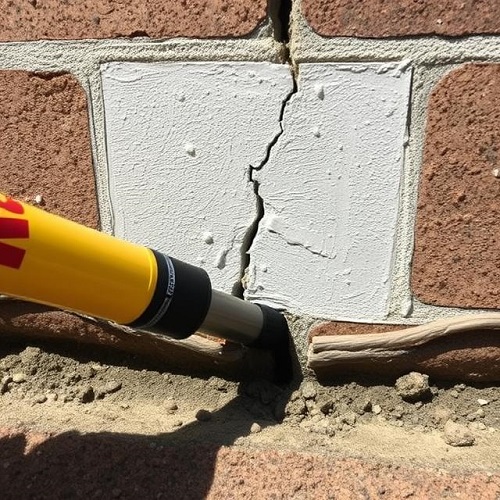
Even tiny cracks in concrete walls or floors can let in a surprising amount of water.
How it Works?
Expert waterproofing engineers pour epoxy or polyurethane in the right areas after the cleaning and drying process.
Best for: Isolated leaks or when water entry is through small cracks rather than the whole wall.
Cavity Drain Membrane Systems
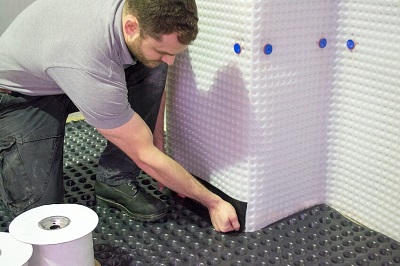
Instead of blocking water, this system manages it by creating a gap between the basement wall and an inner waterproof membrane.
How it Works?
A plastic studded membrane allows water to run behind walls and floors. Water collects in a drainage channel and is pumped away subsequently.
Best for: Properties with constant moisture but where blocking water entry completely is not practical.
Benefits of Basement Waterproofing
Besides restricting water entrainment, basement waterproofing offers several other advantages:
Prevents Structural Damage – Protects your building foundation from weakening.
Improves Indoor Air Quality – Reduces mold and mildew growth.
Increases Property Value – A dry, usable basement is a valuable asset.
Saves Repair Costs – Prevents expensive structural repairs in the future.
Creates Usable Space – Allows you to convert your basement into a living room, office, or storage area without worrying about moisture damage.
Choosing the Right Waterproofing Service in Pakistan
When selecting a waterproofing company, look for:
Experience with local soil and weather conditions.
Use of high-quality, long-lasting materials.
Professional inspections and written warranties.
AllClear Waterproofing delivers reliable and long-term solutions for both residential and commercial basements. For a quote, contact today!
Final Thoughts
Basement waterproofing in Pakistan is not just an optional home improvement — it’s a necessity for anyone living in areas with high rainfall, flooding, or a high water table. By protecting your basement from ground water and hydrostatic pressure, you ensure a safe, dry, and healthy space for years to come.
Whether you are building a new home or dealing with an existing water seepage issue, consult professionals like AllClear Waterproofing to secure your property. A one-time investment in waterproofing a basement can save you from years of costly repairs and headaches.
We hope you enjoyed the blog!
For more, visit our Blog Section.
Good Day!